Supported construction
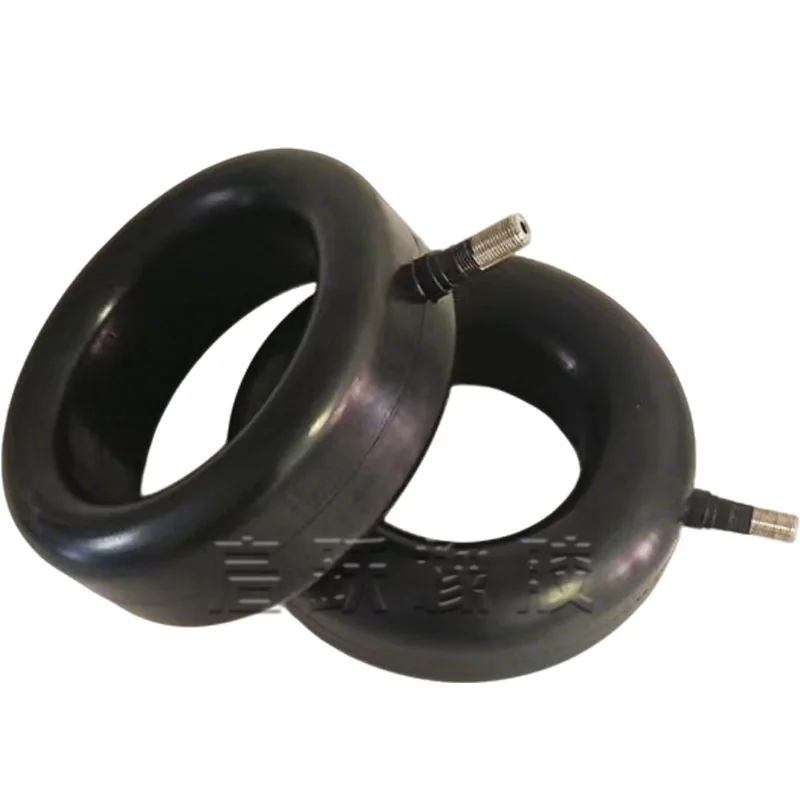
Reinforced Inflatable Seals
Inflatable sealing profiles developed for applications that need controlled expansion, stronger support or demanding operating cycles.
Discuss your applicationProduct views
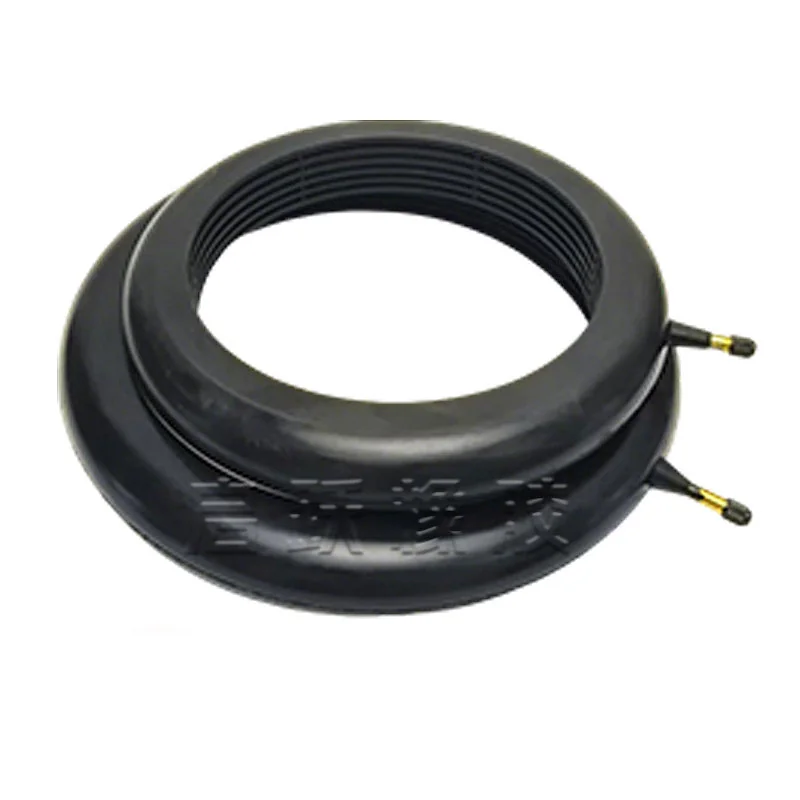
Selected product images
Engineering data
Specifications
Final values are confirmed against the drawing, operating conditions and prototype test results.
- Construction
- Application-specific supported or reinforced hollow profile
- Expansion
- Controlled by profile geometry, reinforcement and groove support
- Finished form
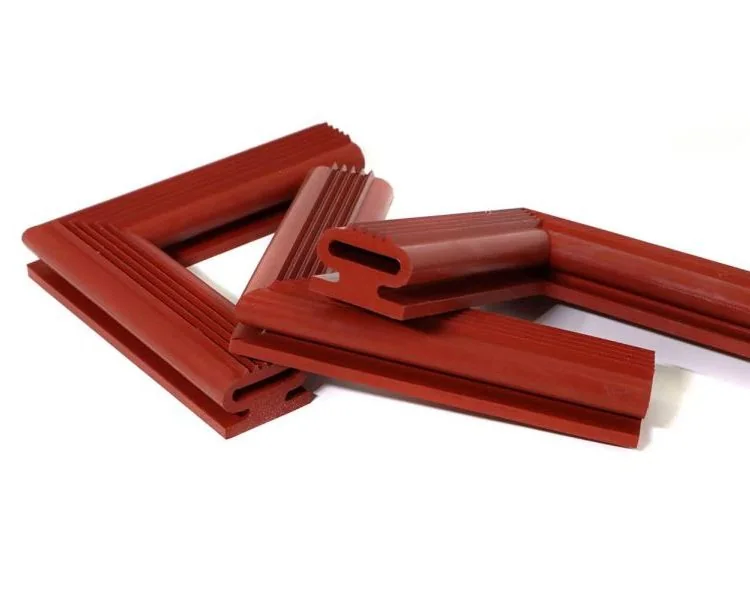
- Closed ring or joined geometry subject to profile and corner review
- Air connection
- Selected for routing, access and service clearance
- Operating limit
- Established for the complete profile, groove and pressure-control assembly
Material selection
Material options
Material selection depends on temperature, medium, cleaning method, cycle rate and regulatory requirements.
Elastomer compound
The base compound is selected for temperature, media exposure, cleaning method and ageing conditions.
Reinforcement does not remove the need for compound compatibility checks.Reinforcement
The support construction is selected to control expansion and load transfer for the required geometry.
Its effect must be validated with the groove and bend radius.Operating principle
How it works
Reinforcement changes how the hollow profile expands and transfers load into its retaining groove. It is used to control movement rather than simply to make the wall thicker.
During design review, the profile, support, corner radius, joint and air-control components are treated as one system.
Use cases
Applications
Typical projects include large process doors, hatches, powder-transfer equipment and assemblies with wider changing gaps or frequent pressure cycles.
The need for reinforcement is decided from the actual movement, support and duty cycle rather than from product size alone.
Made to drawing
Custom manufacturing
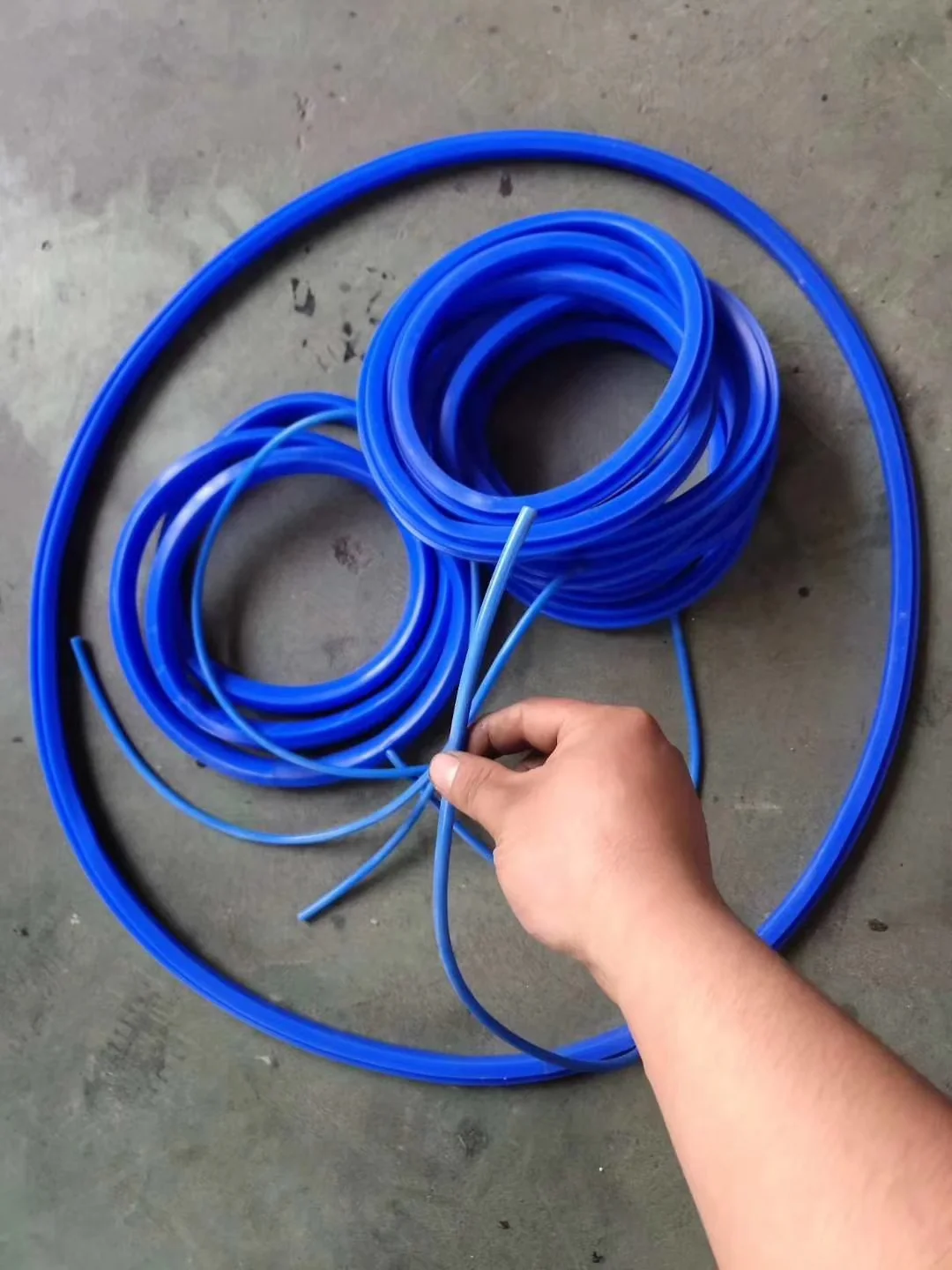
Provide the groove and mating-surface drawing, gap range, finished geometry, bend radius, cycle frequency, medium, temperature and available valve route.
The reinforcement, profile direction and mechanical retention can then be reviewed for the assembly.
Production
Manufacturing approach
Profile construction and joining details are documented after the supported geometry has been reviewed.
A prototype should be produced before the production method is approved.
Verification
Quality control
Inspection should cover finished dimensions, reinforcement continuity, joint condition, valve installation and repeatable inflation behavior.
Representative cycling in the intended groove is required before a service limit is accepted.
Delivery
Packaging and shipping
The finished component should be packed without tight folds that could damage the support, joint or air connection.
Coil diameter and shipping protection are confirmed from the finished geometry.
Buyer decisions
Technical FAQ
When is a reinforced inflatable seal preferable to a standard profile?
Consider reinforcement when the assembly needs more controlled expansion, secure load transfer, support across a changing gap or repeatable movement under a demanding cycle. The decision should follow a review of the groove, gap, bend radius and pressure-control system.
Does reinforcement allow a higher inflation pressure?
Not automatically. Reinforcement changes profile behavior, but the acceptable pressure still depends on the complete cross-section, groove support, joint, corner geometry and air-control components. Confirm the limit by prototype testing.
What drawing information is needed for a reinforced profile?
Provide the groove and mating surface, gap range, finished ring or frame dimensions, bend radii, inflation direction, valve route, temperature, medium, cleaning process and cycle frequency.
Can a reinforced seal be supplied as a joined frame?
A joined frame may be possible, but the corner radius, reinforcement continuity and joint location must be reviewed for the selected cross-section before production.