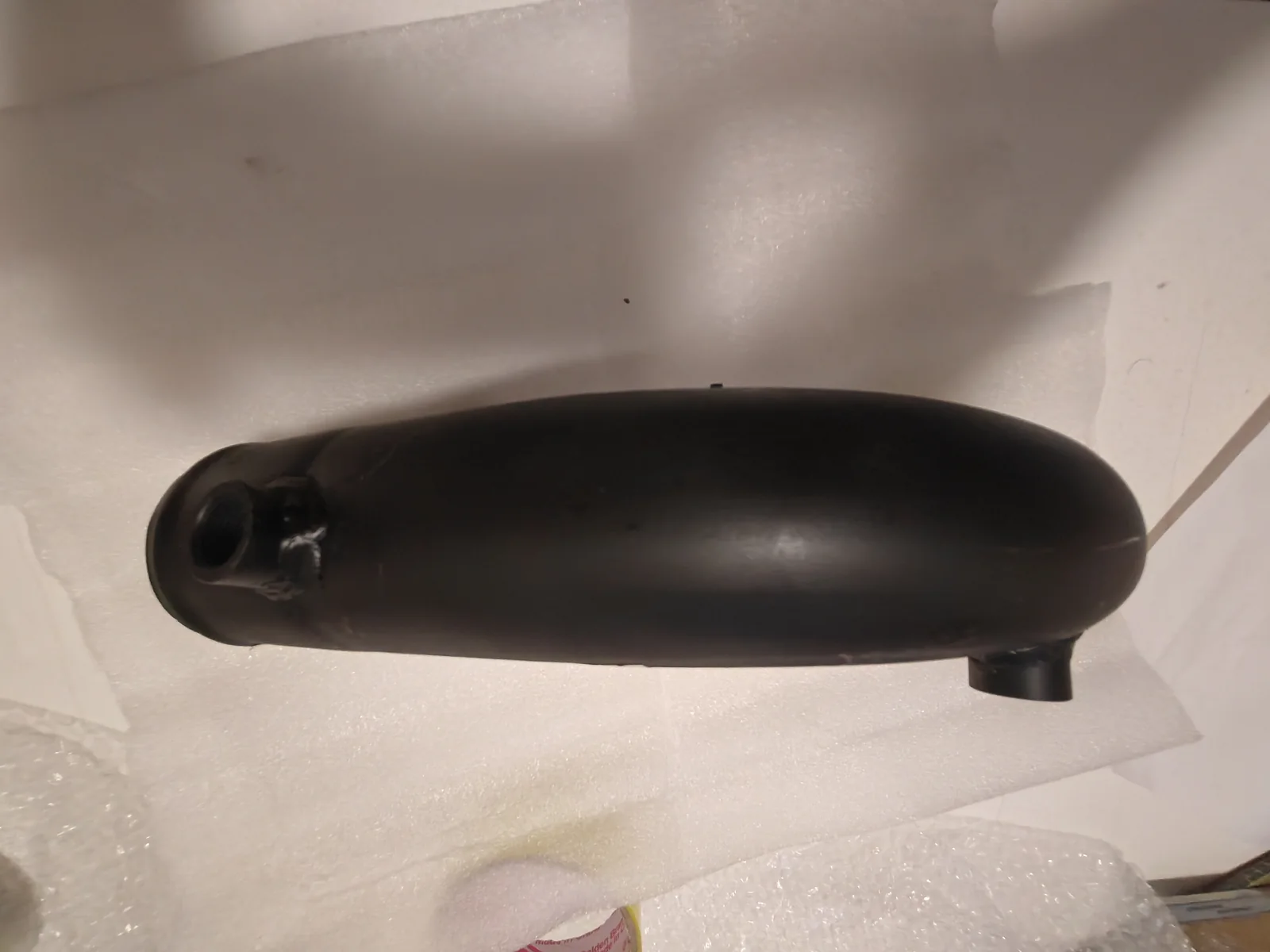
Flexible pneumatic forms
Custom Inflatable Rubber Bladders
Custom rubber bladders and pneumatic forms for expansion, clamping, positioning and temporary sealing functions.
Discuss your applicationProduct views
Selected product images
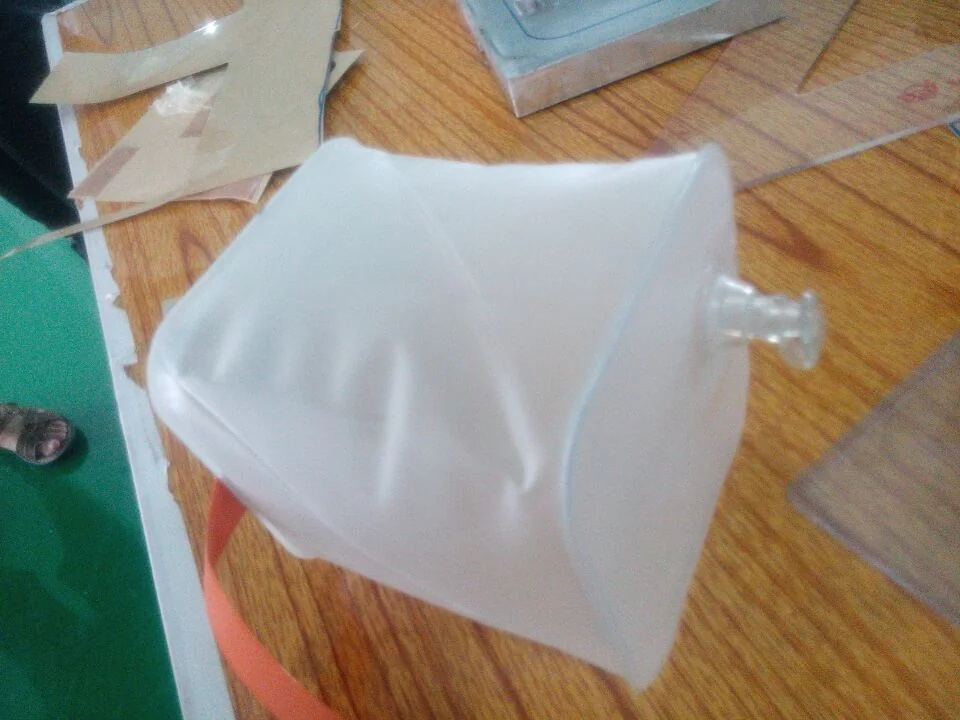
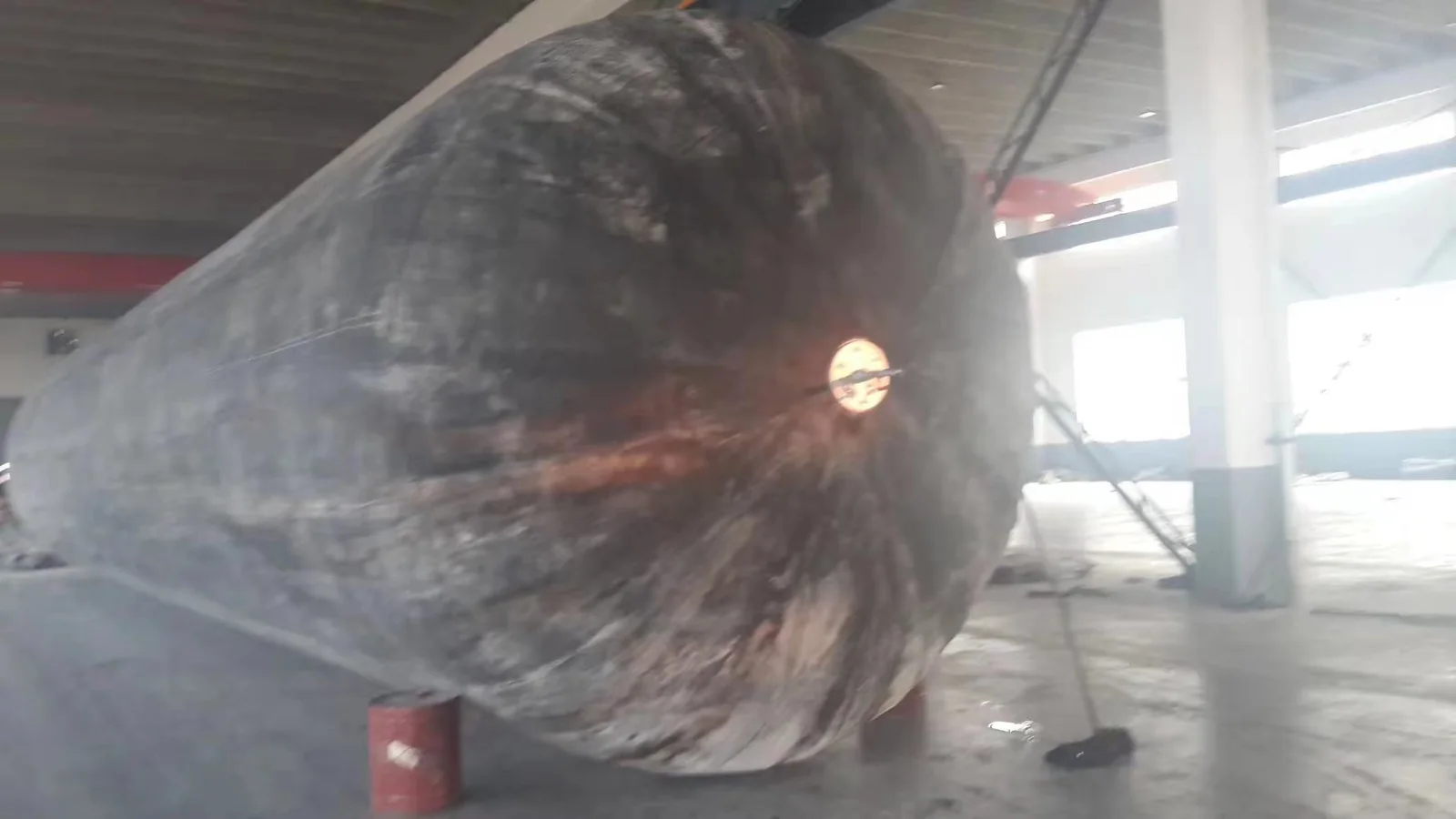
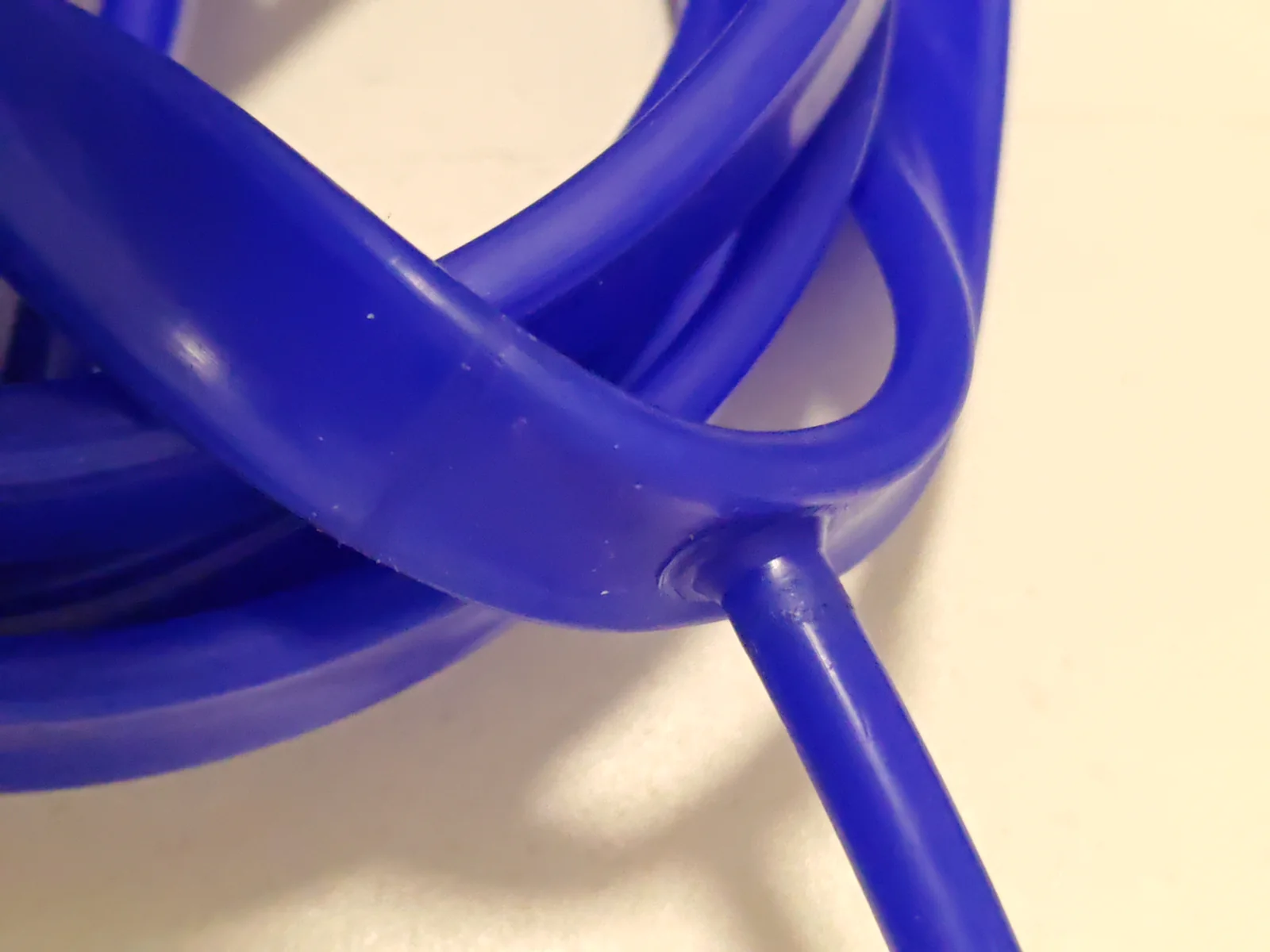
Engineering data
Specifications
Final values are confirmed against the drawing, operating conditions and prototype test results.
- Function
- Controlled expansion for sealing, positioning, clamping or forming
- Geometry
- Cylindrical or application-specific formed construction
- Working envelope
- Defined by both the free shape and surrounding restraint
- Air connection
- Integrated connection selected for access and routing
- Operating limit
- Established through prototype testing in the restrained assembly
Material selection
Material options
Material selection depends on temperature, medium, cleaning method, cycle rate and regulatory requirements.
Application-selected rubber
The elastomer and construction are selected from temperature, medium, required movement, cycle rate and restraint conditions.
A free bladder test alone does not establish performance in the final cavity.Operating principle
How it works
A controlled volume of air expands the flexible bladder until it reaches the surrounding surface or produces the required movement.
The cavity, restraint and contact surface determine the working shape, so both the free and installed conditions must be included in the design review.
Use cases
Applications
Custom rubber bladders can support temporary sealing, clamping, positioning, lifting or forming tasks where rigid actuation is difficult to package.
The correct design depends on required stroke, contact load, available cavity, cycle frequency, temperature and fluid exposure.
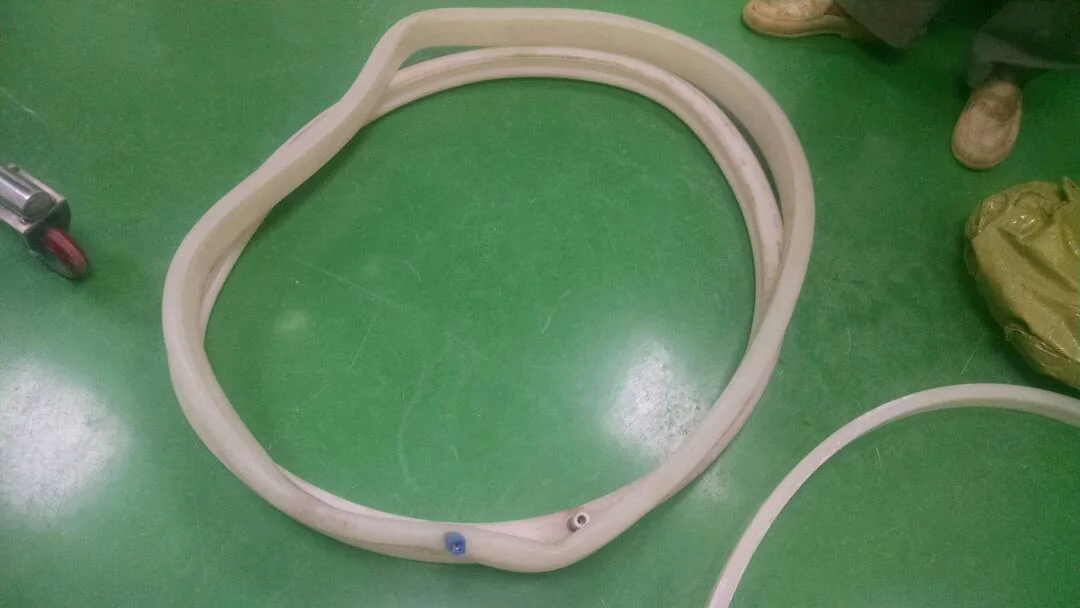
Made to drawing
Custom manufacturing
Provide the free-space and restrained-space drawings, required movement, contact area, load or sealing objective, cycle frequency, temperature, medium and valve space.
The bladder geometry, material, connection and prototype dimensions can then be reviewed together.
Production
Manufacturing approach
Construction and connection details are selected for the approved bladder geometry and restraint.
A prototype is recommended before production because the installed cavity strongly affects movement and load.
Verification
Quality control
Finished dimensions, connection integrity and inflation behavior should be checked against the approved drawing.
Leak testing and representative operation in the restrained cavity should be part of prototype approval.
Delivery
Packaging and shipping
Bladders should be supported during packing to avoid sharp folds, crushing and impact at the air connection.
Packing method is selected from the finished geometry and handling route.
Buyer decisions
Technical FAQ
What information is needed to design a custom inflatable rubber bladder?
Provide drawings of the free and restrained spaces, required movement, contact area, load or sealing objective, cycle frequency, temperature, medium, available air connection and expected quantity.
Why is the surrounding cavity important?
The cavity restrains expansion and determines the working shape, contact area and load path. A bladder that looks suitable when free may behave differently when installed, so both conditions must be reviewed.
How is the operating pressure selected for an inflatable bladder?
Pressure is selected from the geometry, wall construction, restraint, required movement and contact load. It should be established by testing the prototype in the actual or representative cavity rather than copied from an unrelated bladder.
Can the air connection be moved to another position?
It can usually be reviewed, provided the location allows assembly and service access without creating a sharp bend, interference point or highly stressed local area.