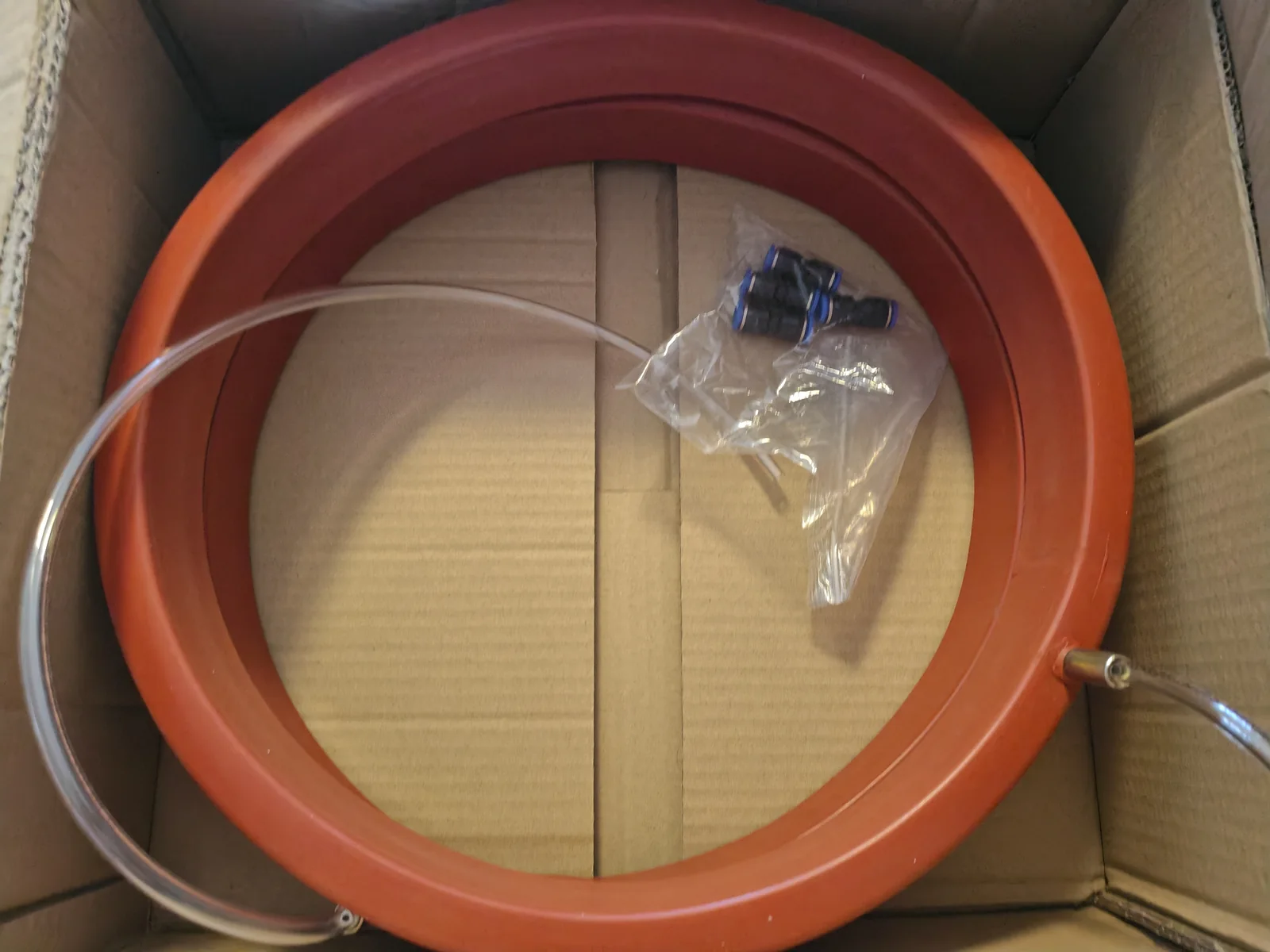
Made to drawing
Custom Inflatable Seals
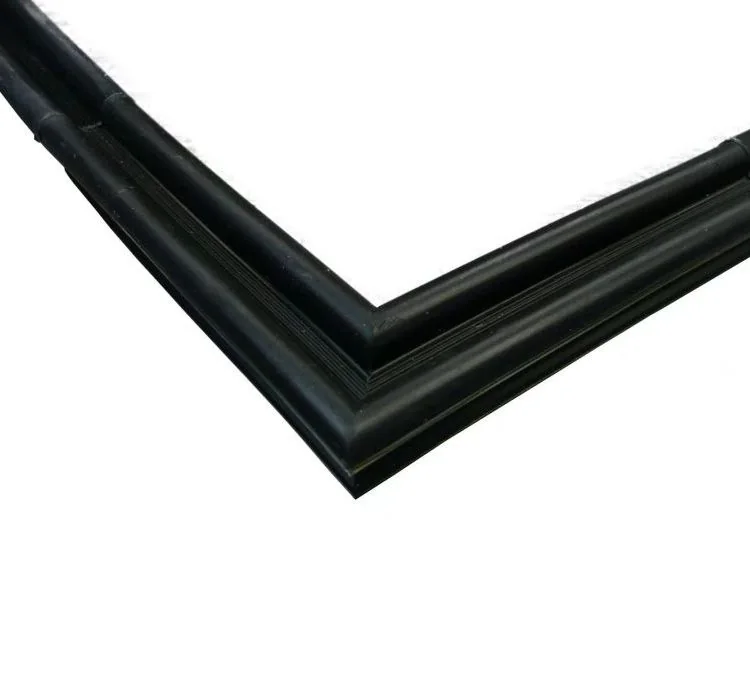
Closed rings and joined frames developed around your groove, working gap, inflation direction and operating environment.
Discuss your applicationProduct views
Selected product images
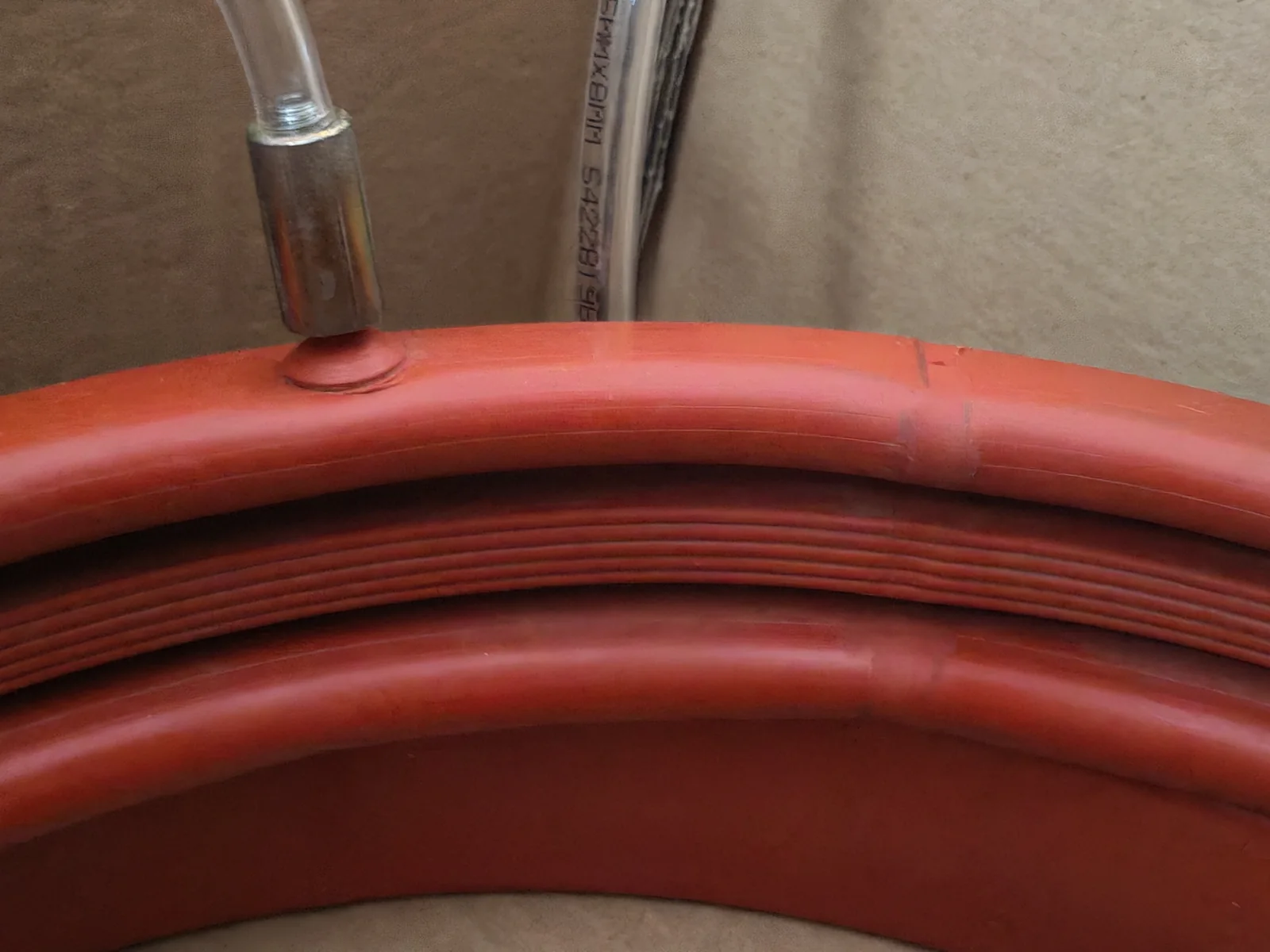
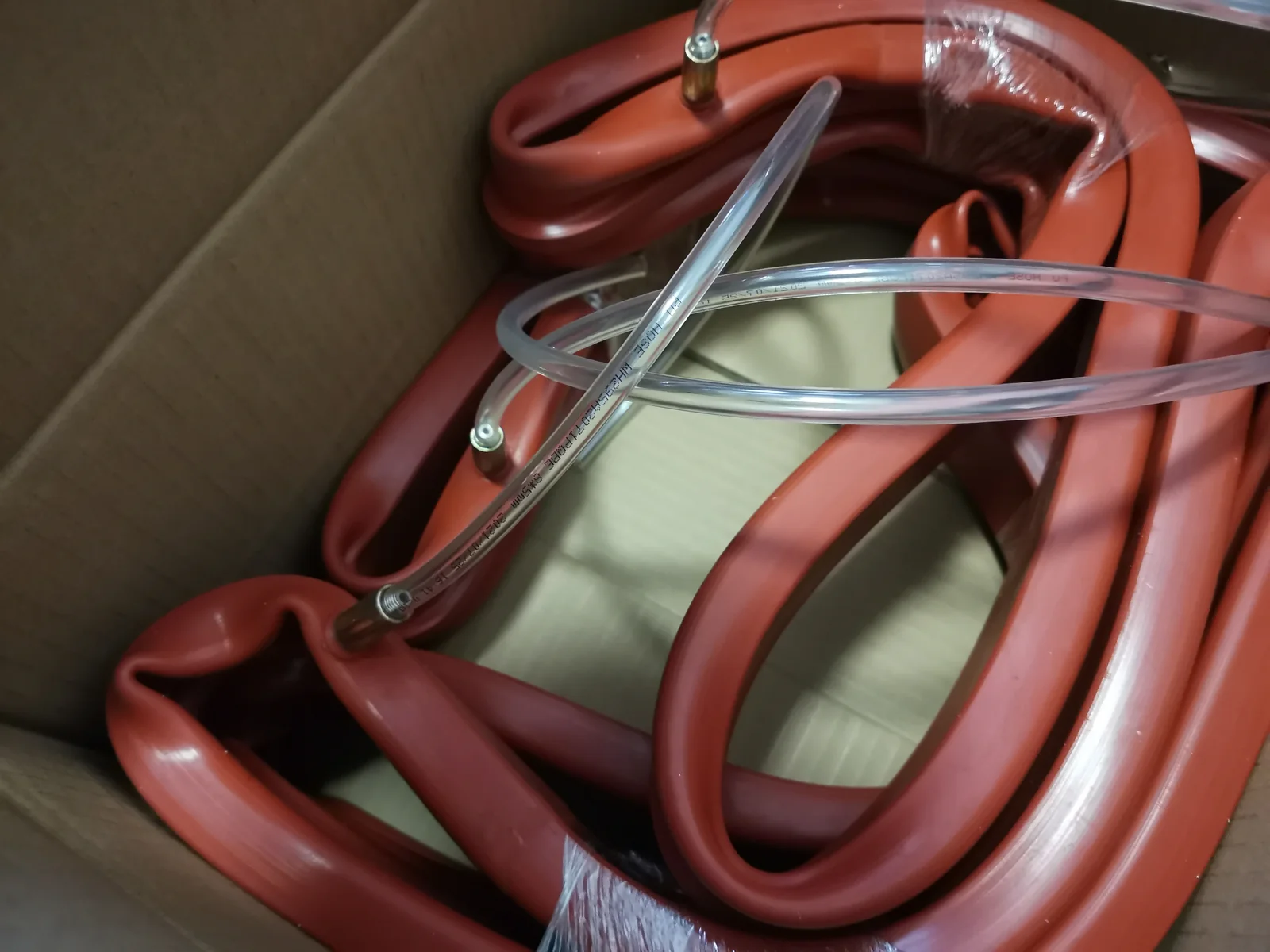
Engineering data
Specifications
Final values are confirmed against the drawing, operating conditions and prototype test results.
- Finished form
- Closed ring, joined frame or application-specific geometry
- Inflation direction
- Axial, radially inward or radially outward, selected from the groove layout
- Material
- Selected for the temperature, medium, cleaning method and cycle requirement
- Air connection
- Position and connection style can be reviewed to drawing
- Dimensions
- Made to drawing after groove and working-gap review
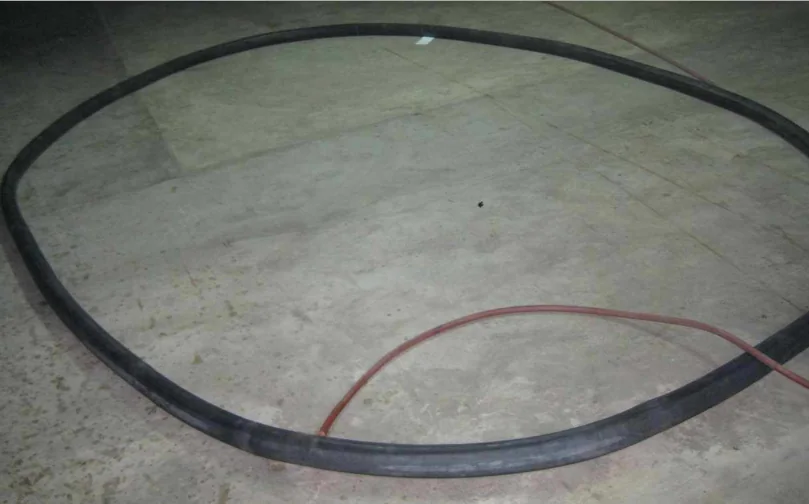
Material selection
Material options
Material selection depends on temperature, medium, cleaning method, cycle rate and regulatory requirements.
Silicone
Often considered where temperature capability, flexibility or clean processing is important.
The exact compound and media compatibility must be confirmed for the application.EPDM
Often considered for water, weathering and selected process environments.
Oil and chemical exposure must be checked against the selected compound.NBR
Often considered where oil resistance is a central requirement.
Temperature, ozone and cleaning-media exposure must be reviewed.Operating principle
How it works
The profile remains retracted while the door, hatch or product moves. Controlled air input then expands the hollow section until it contacts the mating surface.
The groove supports the seal and determines the useful direction of expansion. The profile, corner layout, valve and pressure-control system should therefore be evaluated as one assembly.
Use cases
Applications
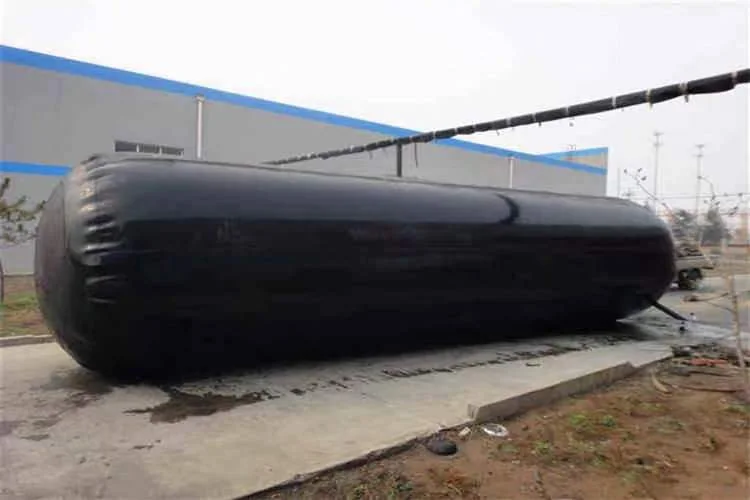
Custom inflatable seals can be developed for industrial doors, process hatches, powder-handling equipment, containment closures and other assemblies with a changing or uneven gap.
Suitability depends on the actual contact surface, movement, temperature, medium, cleaning procedure and cycle rate.
Made to drawing
Custom manufacturing
Send the groove drawing, minimum and maximum gap, ring or frame dimensions, inflation direction, temperature, medium, valve space and expected quantity.
The cross-section, corner layout, joint position, material and air connection can then be reviewed around the equipment interface.
Production
Manufacturing approach
Prototype construction and joining method are selected after the profile and finished geometry have been reviewed.
Production details are confirmed only after the sample has been evaluated in the intended groove.
Verification
Quality control
Finished dimensions, joint condition, valve installation and inflation behavior should be checked against the approved drawing and sample.
Application pressure and service life are not assigned from a generic table; they must be validated in the complete assembly.
Delivery
Packaging and shipping
Packaging is selected to protect the profile, joint and air connection from sharp bends and handling damage.
Shipping method and labelling are confirmed with the order requirements.
Buyer decisions
Technical FAQ
Can the seal be made as a rectangular frame?
Yes. Joined frames and closed rings can be developed, subject to corner radius and profile review.
Can the air inlet position be customized?
Yes. The valve position and connection style can be reviewed against the available space and installation method.
What information is required for a custom inflatable seal quotation?
Provide the groove drawing, finished ring or frame dimensions, minimum and maximum gap, inflation direction, temperature, contact medium, cleaning chemicals, cycle rate, valve space and expected quantity. Missing interface data normally increases the number of sampling rounds.
How should I choose between silicone, EPDM and NBR?
Choose the compound from the complete operating environment. Silicone is often considered for temperature capability and flexible clean processing, EPDM for water and weathering, and NBR where oil resistance is important. The final grade still needs a compatibility review for the actual medium, cleaning process and cycle conditions.
What inflation pressure should a custom inflatable seal use?
There is no reliable universal pressure for every profile. The required pressure depends on cross-section, wall construction, groove support, gap, contact load, corner geometry and the air-control system. Establish the setting through prototype testing in the actual assembly.
How is the groove size selected for an inflatable seal?
The groove must retain the uninflated profile, allow the intended direction of expansion and avoid sharp edges or local pinch points. Provide the groove and mating-surface drawing so the profile envelope and working gap can be reviewed together.