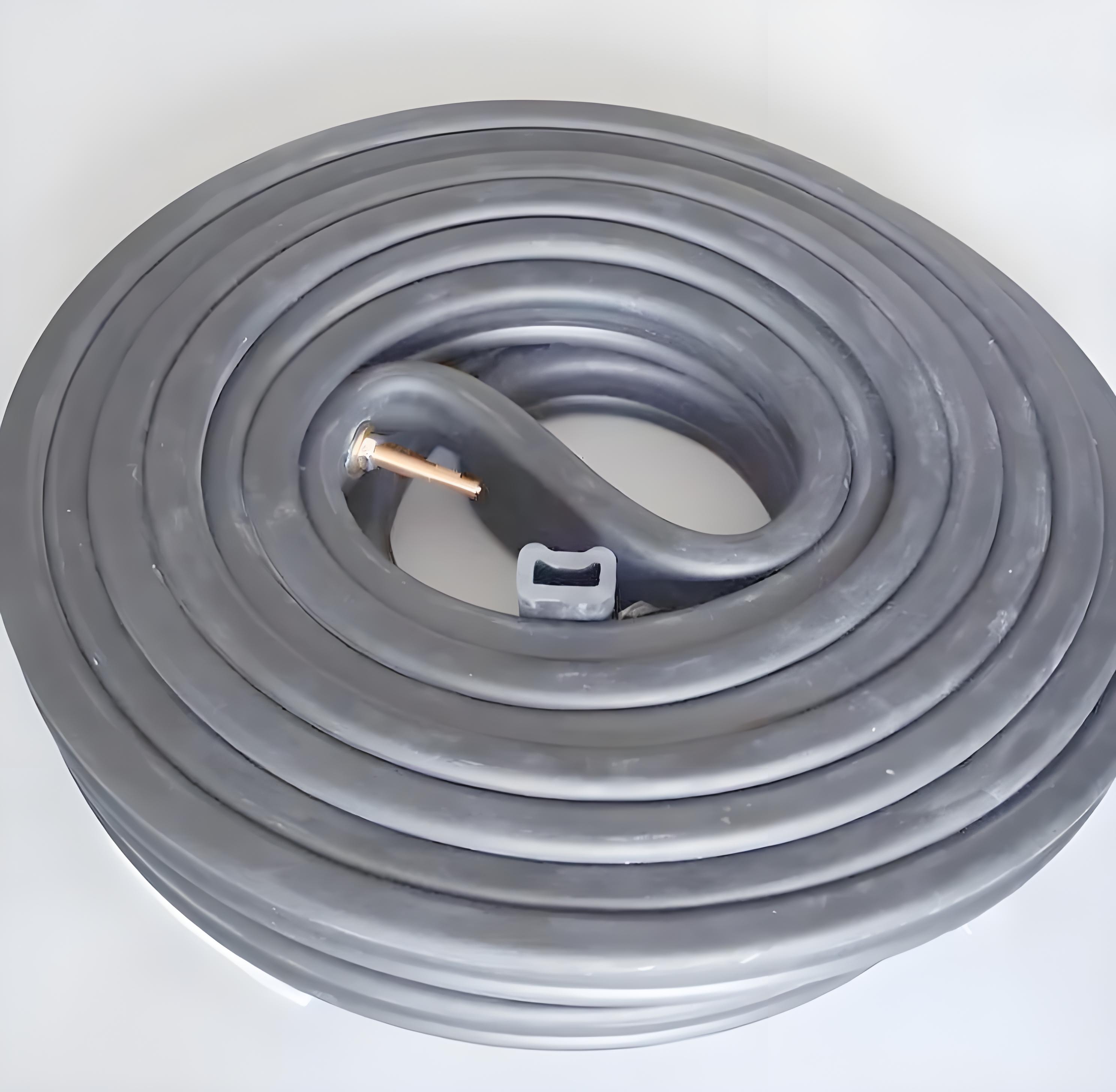
Cleanroom door sealing
Cleanroom Door Inflatable Seal
An inflatable seal expands after a cleanroom door closes to engage the frame, then vents before movement. Geometry, material and limits are defined from the actual assembly.
Discuss your applicationProduct views
Selected product images
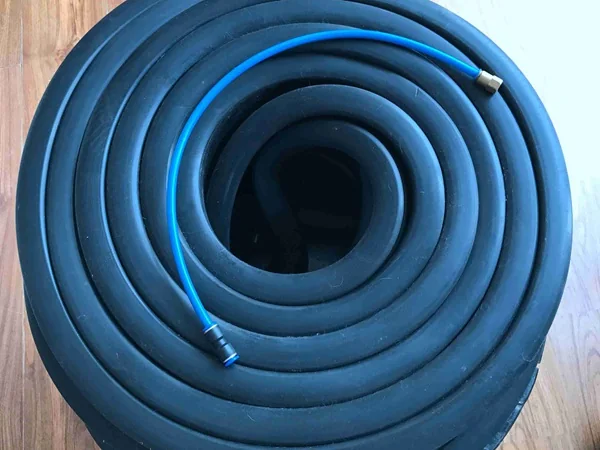
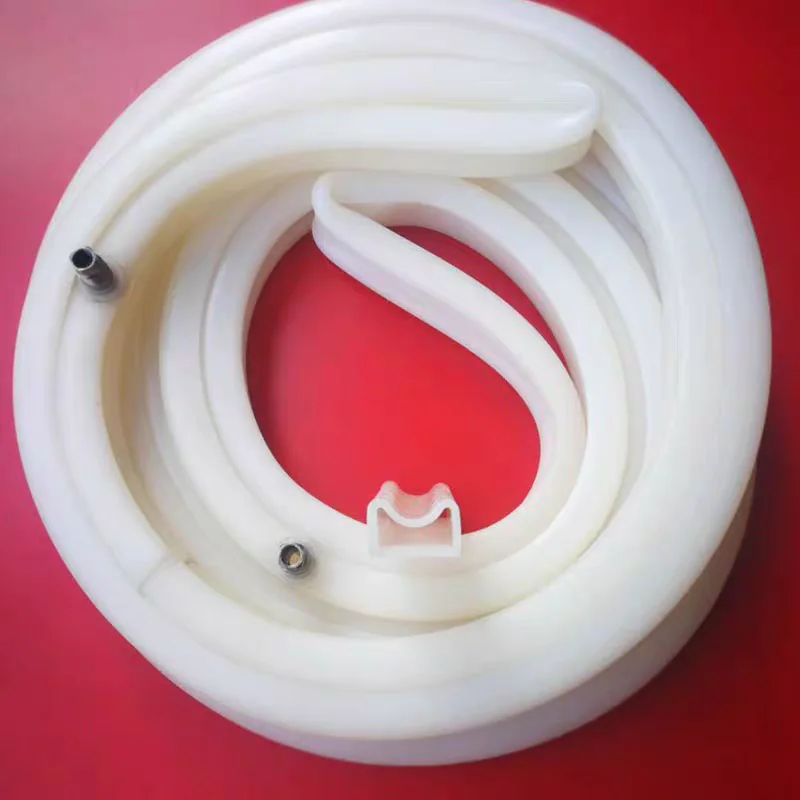
Engineering data
Specifications
Final values are confirmed against the drawing, operating conditions and prototype test results.
- Sealing gap
- 12 mm gap for the selected reference configuration; final geometry is confirmed from the door and groove drawing.
- Reference order quantity
- 20 pieces for the selected reference configuration; confirm the final order quantity in the RFQ.
- Material
- Silicone or EPDM options are available depending on the application and required documentation.
- Profile
- Round, rectangular, D-shaped, M-shaped, trapezoidal and custom profiles are available depending on the sealing interface.
- Cross-section
- Customized to the approved drawing or a representative sample.
- Length
- Custom length is available; confirm the full seal path and joint arrangement in the RFQ.
- Frame or ring configuration
- Closed rings and rectangular frames are available depending on the approved geometry.
- Air connection
- Stainless-steel, brass or hose connection options are available depending on the profile and installation.
- Drawing or sample customization
- Profile and tooling can be reviewed from a dimensioned drawing or a representative sample.
- Hardness
- Customizable according to the selected material, profile and sealing requirement.
- Inflation pressure
- Selected according to the seal profile, restraint and application; confirm during engineering review.
- Temperature range
- Confirm according to the selected elastomer, operating conditions and required documentation.
Material selection
Material options
Material selection depends on temperature, medium, cleaning method, cycle rate and regulatory requirements.
Application-selected elastomer
Silicone or EPDM options are available depending on the application and required documentation.
Confirm compound grade, compatibility, documentation and operating limits for the selected application.Operating principle
How it works
The door closes first. Controlled air then expands the restrained hollow elastomer profile toward the opposing contact surface.
The seal is vented before the door moves again. Profile shape, restraint, gap and control logic determine the installed behaviour, so operating values must be established for the selected profile and assembly.
Frame integration
Installation
Locate the seal in a groove or retainer that controls where the profile can expand. The contact surface, inflation direction and available clearance should be visible on the approved cross-section.
Route the air connection so it is protected, accessible and clear of door motion. Installation release should follow a fit review of corners, joints, transitions and the full seal path.
Use cases
Applications
Industry evidence supports inflatable seals around cleanroom, equipment and sterilization door or frame interfaces where sealing engagement occurs after closure.
Suitability remains project-specific and depends on door construction, cleaning exposure, contact surfaces, control sequence and the required validation evidence.
Made to drawing
Custom manufacturing
Customized to the approved drawing or a representative sample.
Custom length is available; confirm the full seal path and joint arrangement in the RFQ.
Closed rings and rectangular frames are available depending on the approved geometry.
Profile and tooling can be reviewed from a dimensioned drawing or a representative sample.
Final geometry, joint arrangement and connection position are confirmed against the approved drawing before production release.
Production
Manufacturing approach
A project-specific production release should be based on an approved drawing, material definition, tooling or forming plan, connection detail and acceptance criteria.
Before production release, confirm which tooling, sample approval, traceability, capacity and lead-time commitments are included in the commercial offer.
Verification
Quality control
The quality plan should identify the drawing characteristics that control fit, the air-connection checks, visual acceptance criteria and the functional verification required in a representative restraint.
Agree the acceptance evidence before order, including the approved drawing, material records, dimensional report and functional test plan where applicable.
Delivery
Packaging and shipping
Finished seals should be protected from crushing, sharp bends, contamination and damage to joints or air connections during storage and transport.
The packing method should be confirmed against the finished geometry, cleanliness requirement, quantity and shipping route before release.
Buyer decisions
Technical FAQ
How does an inflatable seal work on a cleanroom door?
The door reaches its closed position before controlled air expands a restrained hollow seal profile toward the opposing surface. The profile, groove, contact face and control sequence must be validated together for the actual door assembly.
Should silicone or EPDM be used for a cleanroom inflatable door seal?
There is no universal material choice. Select the elastomer only after reviewing cleaning agents, process exposure, operating conditions, movement, colour and documentation requirements. Current evidence supports silicone as a common industry option, but it does not approve a compound grade or make EPDM suitable for a particular project.
How is an inflatable door seal installed into the door frame?
The profile is normally restrained by a project-defined groove or retainer so expansion occurs toward the intended contact surface. The drawing should define the seal path, corner geometry, joint position, inflation direction, air connection and service access before installation details are released.
What information is needed to manufacture a custom inflatable door seal?
Provide the door and frame drawing, seal path, groove or retainer detail, open and closed gap condition, inflation direction, contact media, cleaning method, operating conditions, cycle expectation, air connection, documentation needs and order quantity.
How should the groove dimensions be specified?
Show the complete groove cross-section and seal path on a dimensioned drawing. Include tolerances, corner radii, surface transitions, available expansion space, contact surface and air-line clearance. Final groove values must come from the approved assembly drawing rather than a generic marketplace listing.
What happens when the seal is depressurized?
When air is vented, the profile moves back toward its unpressurized shape so contact can be released before door movement. Actual retraction, clearance and timing depend on the selected profile, restraint and control system and must be confirmed in the installed assembly.
What drawings or samples should a buyer provide for quotation?
A dimensioned door-frame assembly drawing is preferred. Add the groove or retainer section, seal path, corner and joint details, gap condition, air connection location and photographs of the installation area. A representative existing seal or profile sample can supplement the drawing when its history and material are known.