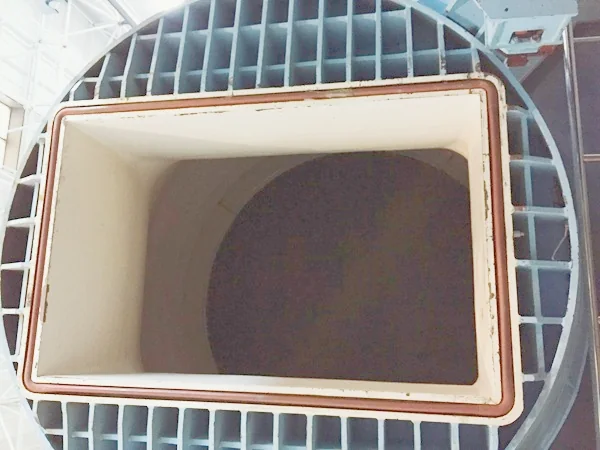
Custom engineered product draft
Aircraft Canopy Inflatable Seal
Custom aircraft canopy inflatable seal developed around the customer's equipment, sealing movement, operating environment and validation requirements. Submit a drawing engineering
Discuss your applicationProduct views
Selected product images
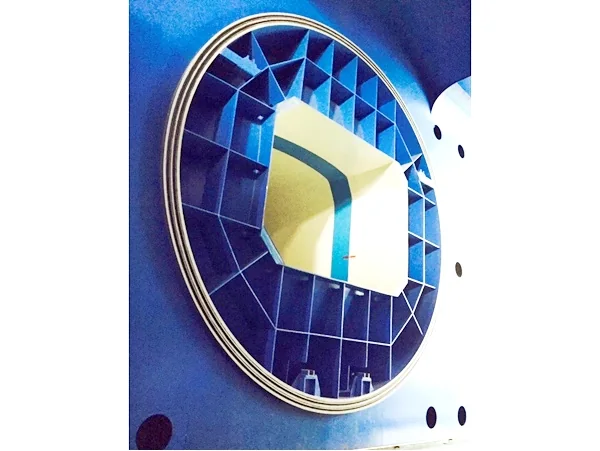
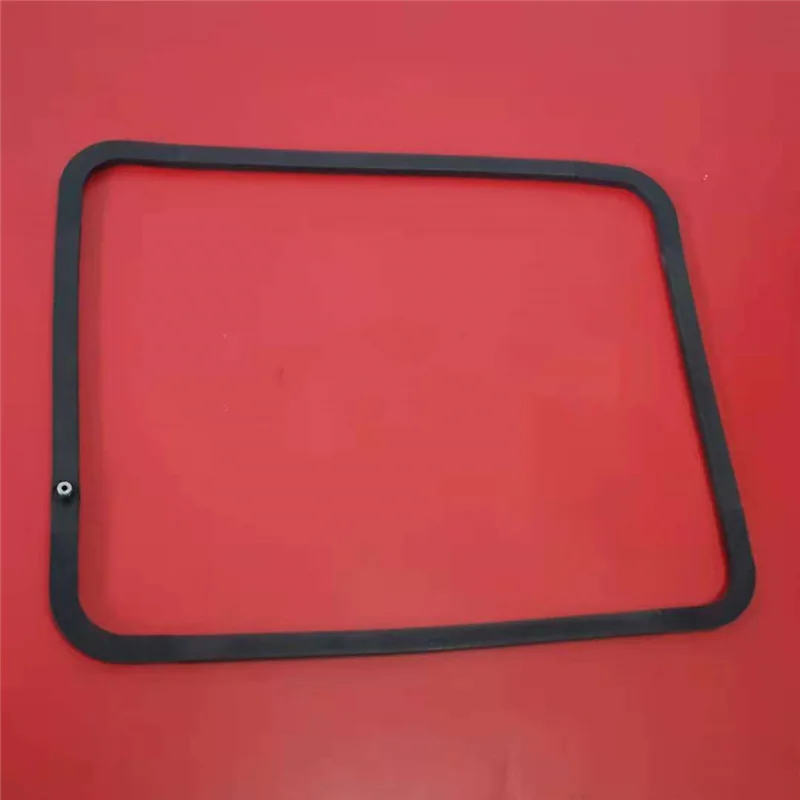
Engineering data
Specifications
Final values are confirmed against the drawing, operating conditions and prototype test results.
- Seal geometry
- Customized to the approved drawing or a representative sample.
- Material
- Selected according to process media, cleaning method and required documentation.
- Working gap
- Confirm from the open and closed assembly conditions during engineering review.
- Inflation conditions
- Selected according to seal profile, restraint and application; no default pressure is assumed.
- Air connection
- Position and connection type are confirmed from the installation envelope and service access.
- Order definition
- Final dimensions, quantity and acceptance requirements are confirmed in the RFQ.
Material selection
Material options
Material selection depends on temperature, medium, cleaning method, cycle rate and regulatory requirements.
Application-selected elastomer
The material remains open until the operating environment, contact media, cleaning process and required declarations are reviewed.
No material grade, compatibility or compliance claim is approved from the keyword alone.Operating principle
How it works
The aircraft canopy inflatable seal is installed in a restrained assembly and receives controlled air input when sealing is required.
Its working shape is determined by the selected profile, surrounding groove, available gap and contact surface, so the installed condition must be reviewed before performance is stated.
Frame integration
Installation
Define the groove or retainer, contact surface, inflation direction and available movement on the assembly drawing before selecting the seal profile.
Protect the air connection from moving parts and provide service access. Corners, joints and transitions should be checked in the complete installed path before production release.
Use cases
Applications
This draft addresses buyers researching aircraft canopy inflatable seal for equipment where a compliant seal must move into and away from a changing gap.
Final application suitability depends on the actual geometry, process exposure, cleaning method, actuation pattern and validation standard supplied with the inquiry.
Made to drawing
Custom manufacturing
Share the assembly drawing, seal path, gap condition, inflation direction, air connection space and required quantity for design review.
Material, profile, joint, corner and connection details remain project decisions until those inputs are confirmed.
Production
Manufacturing approach
Manufacturing planning begins after the drawing, material basis and connection arrangement are agreed.
Prototype review is used to confirm fit and restrained behavior before a production release is considered.
Verification
Quality control
The inspection plan should be tied to the approved drawing and the characteristics that matter in the customer's assembly.
Dimensional, connection and functional checks are defined only after acceptance criteria and evidence requirements are agreed.
Delivery
Packaging and shipping
Packing should protect the seal path, joint and air connection from sharp bends, crushing, contamination and impact.
The final packing method remains subject to the finished geometry, cleanliness requirement, quantity and shipping route.
Buyer decisions
Technical FAQ
What information is needed to quote aircraft canopy inflatable seal?
Provide the assembly drawing, seal path, gap condition, inflation direction, contact media, temperatures, pressure conditions, cycle expectation, air connection details, compliance needs and quantity.
How is the material selected?
Material is reviewed against the named process media, cleaning agents, temperatures, mechanical movement and required declarations. A material claim is not approved until supporting records are linked to the draft.
How is inflation pressure established?
Inflation pressure is determined from the profile, restraint, gap, contact objective and process differential. It must be supported by product-specific engineering evidence or validation testing before publication.
Can the seal geometry and air connection be customized?
Geometry and connection placement can be reviewed around the available envelope, installation method and service access. The approved drawing remains the controlling definition.
What evidence is needed for regulated or hygienic applications?
The inquiry should identify the applicable market, standard, material declaration, traceability and cleaning requirements. Only current documents tied to the proposed material and supplied product can support a compliance statement.