Description
Moliseal manufactures made-to-drawing inflatable seal profiles and sealing strips in Shanghai, China. Share the groove section, working gap and a sample or photos to review expansion direction and air connection.
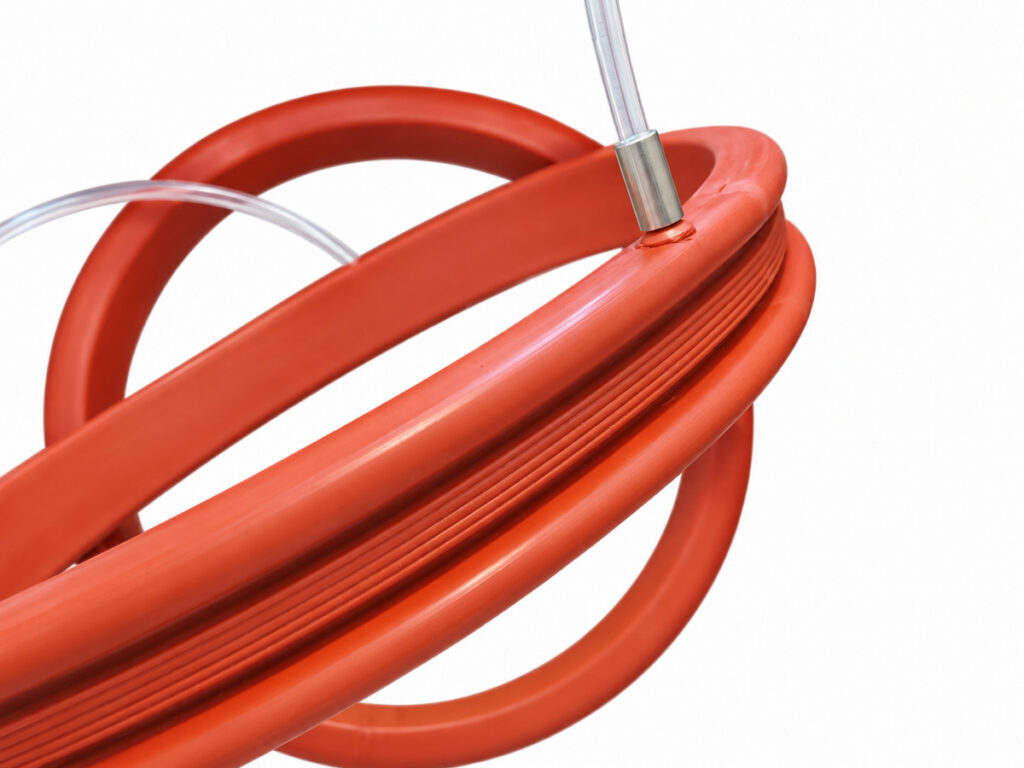
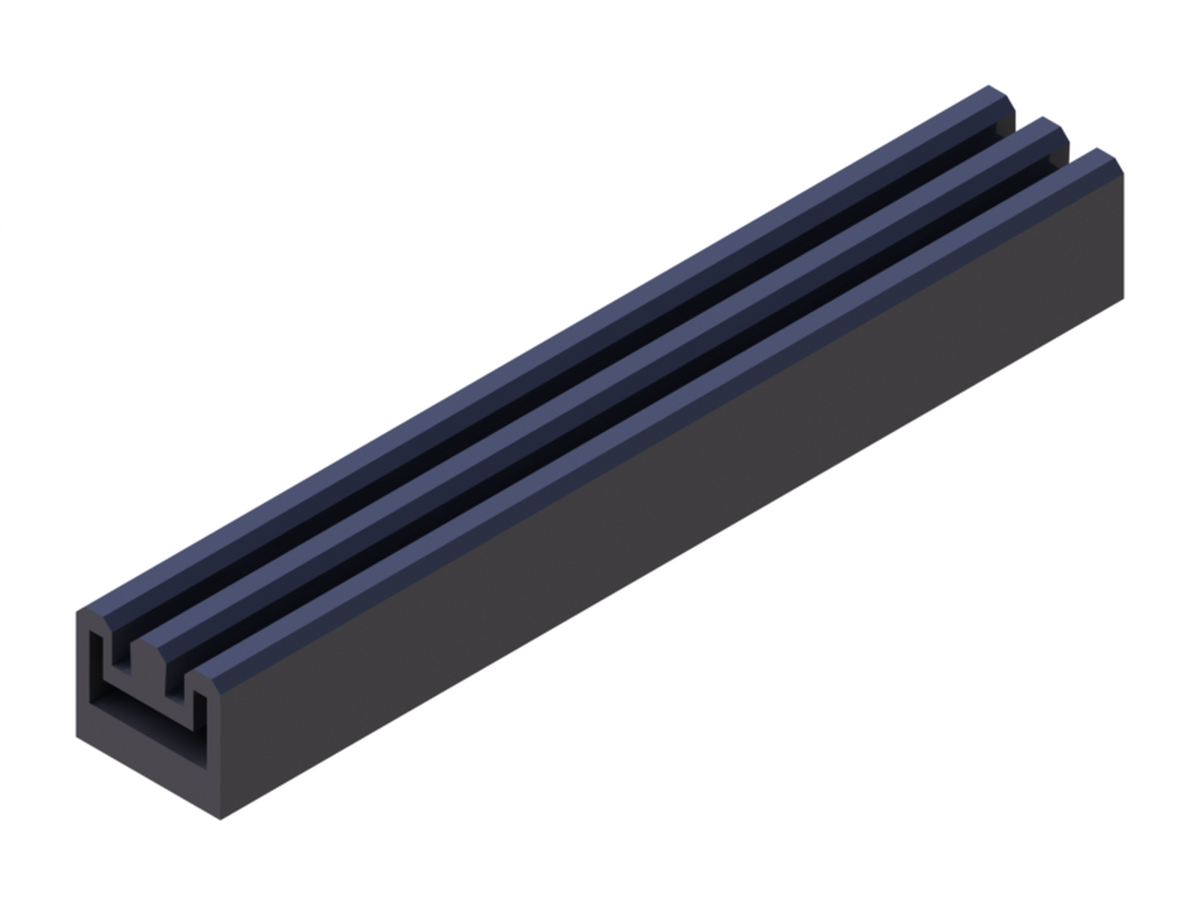
Profile geometry determines whether inflation movement is axial, radially outward or radially inward. The useful direction must point from the retaining groove toward the mating surface.
When deflated, the profile must retract far enough to avoid abrasion during opening, product movement or cleaning access. Valve routing must avoid sharp bends and local interference.
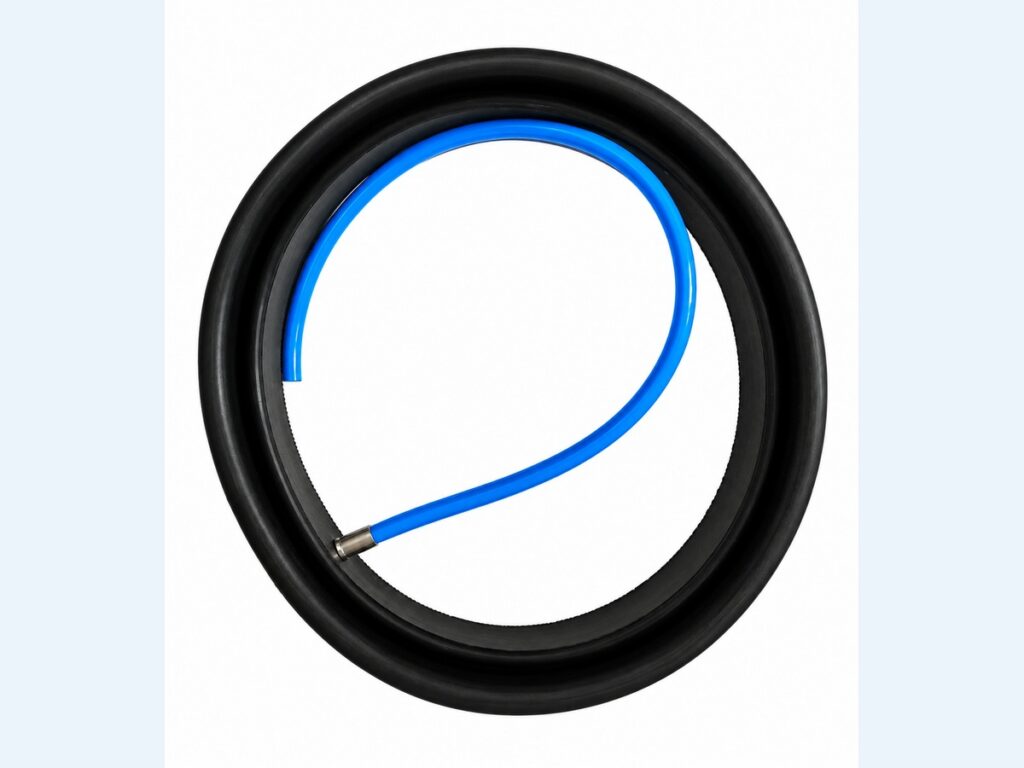
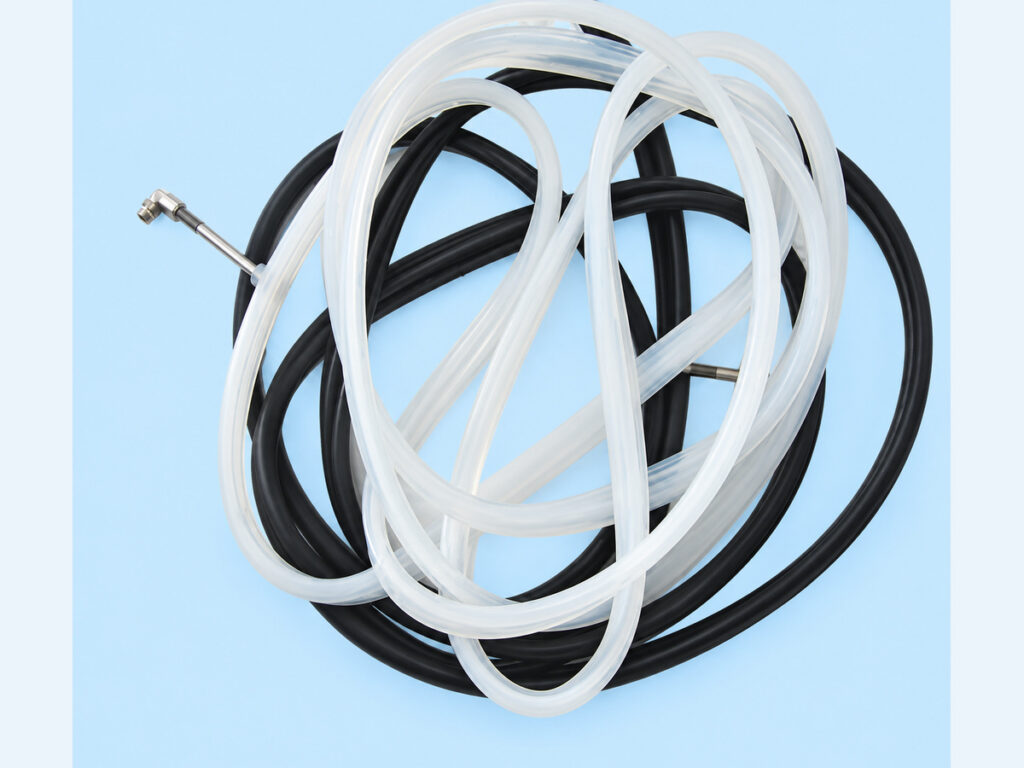
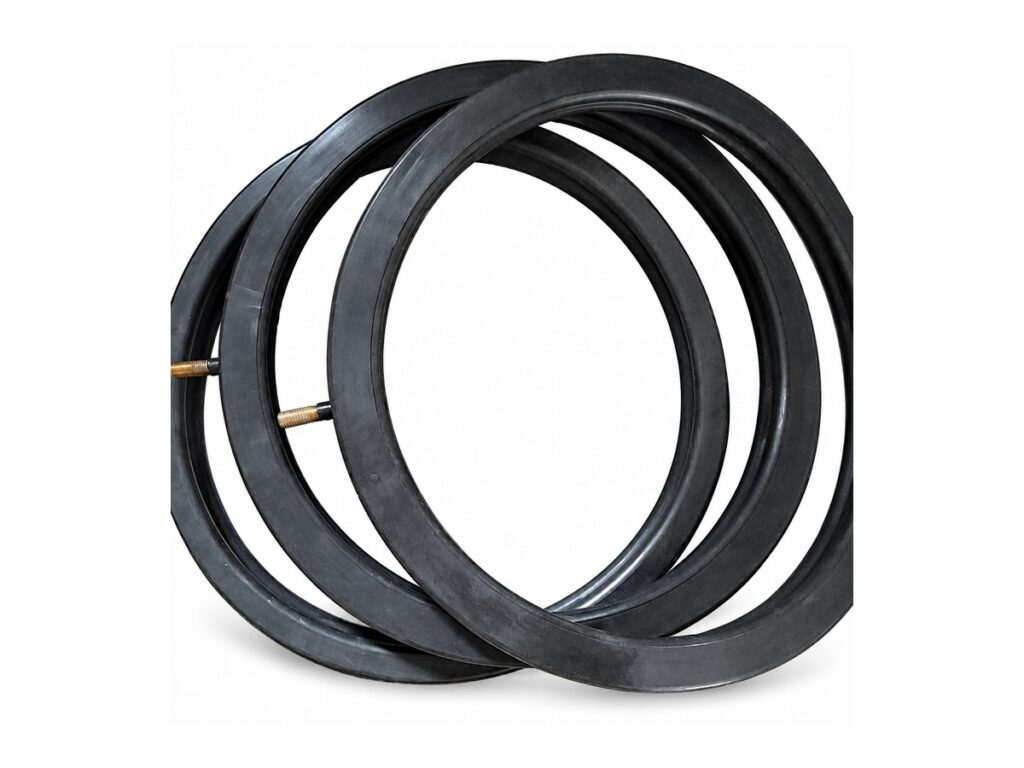
Profile and valve configurations are developed for doors, hatches, transfer equipment, process closures and other assemblies where the available groove and sealing direction differ.
Selection starts from the equipment interface rather than from a profile picture alone.
Choose the direction first
Inflatable seal profiles can expand axially, radially outward or radially inward. The correct direction is determined by the location of the groove and the surface that the seal must contact.
Profile selection also considers the uninflated envelope. The seal must retract far enough to avoid abrasion during opening, product movement or cleaning access.
Valve position affects installation
The inflation connection should be accessible without creating a sharp bend or a local interference point. Port style, tube routing and service clearance should be identified on the equipment drawing before the seal is made.
Corner radius and joint layout
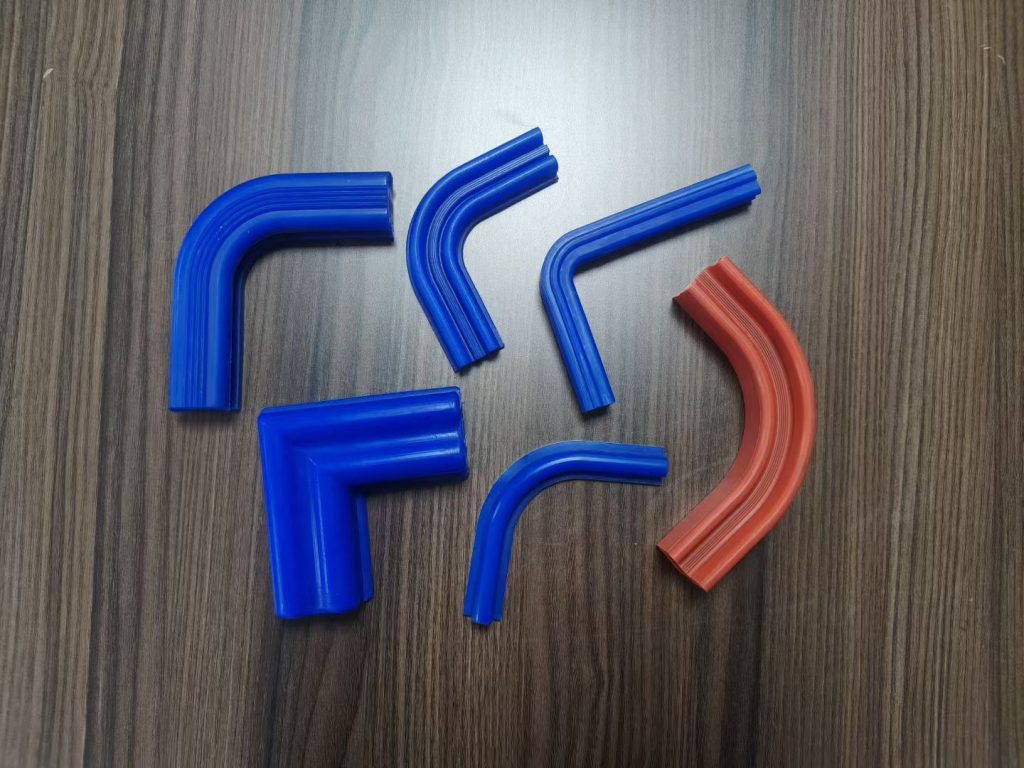
Tight corners can restrict inflation or concentrate stress. Provide the available corner radius and preferred joint location so the finished ring or frame can be developed around realistic forming limits.
Profile sourcing from Shanghai, China
Moliseal can manufacture a profile or finished sealing strip to the agreed section and length. We can start with your drawing, a representative sample or photos, then confirm the groove, mating face, air inlet and joint arrangement before making a quotation.
For an overseas RFQ, include the delivery country, required quantity and timing. The production plan and international shipping option are confirmed against the actual design and order.
Frequently asked questions
How do I choose the expansion direction of an inflatable seal profile?
Choose the direction from the groove location and the mating surface. Axial, radially outward and radially inward profiles solve different interfaces; the section drawing must show where the retained profile starts and where contact is required.
What groove information should be included in the RFQ?
Include groove width and depth, edge radii, mating-surface position, minimum and maximum gap, available corner radius, deflated clearance and the route available for the air connection.
Can the valve position and connection style be changed?
Yes, subject to profile and installation review. The connection must remain accessible, avoid sharp tube bends and not create a local interference point when the seal inflates or retracts.
Why does the corner radius matter for an inflatable profile?
A tight corner can restrict inflation, distort the section or concentrate stress near the bend and joint. The available radius should be reviewed with the selected cross-section before the finished seal is approved.
Can you reproduce an inflatable sealing strip from my sample?
Yes. A sample or clear photos can identify the profile style, but a dimensioned groove and mating-surface section is still needed to confirm the expansion direction and finished fit.