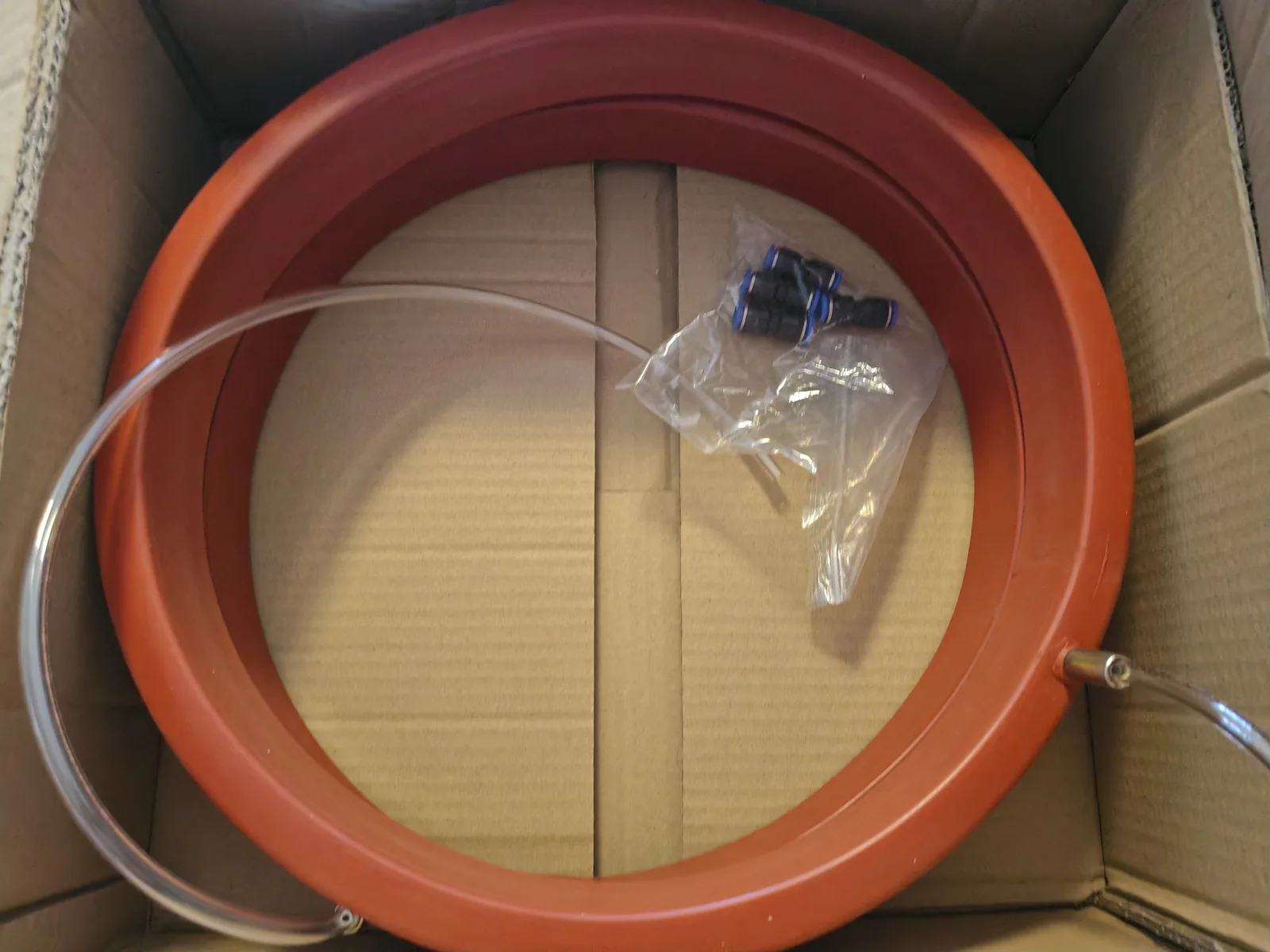
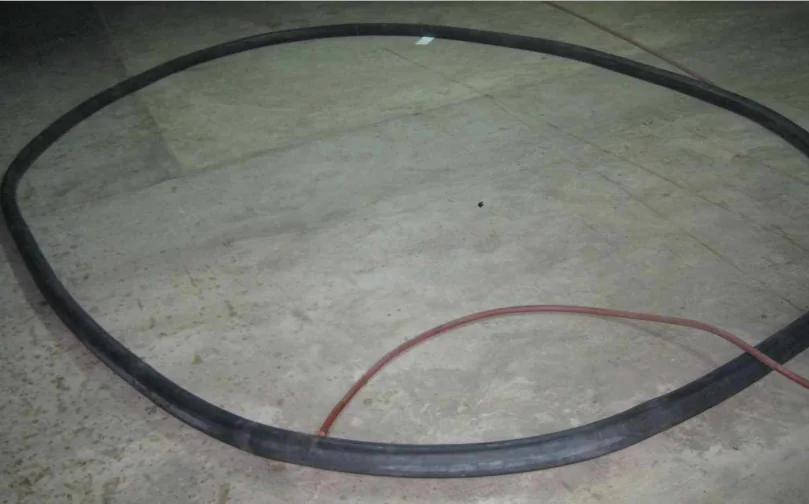
Description
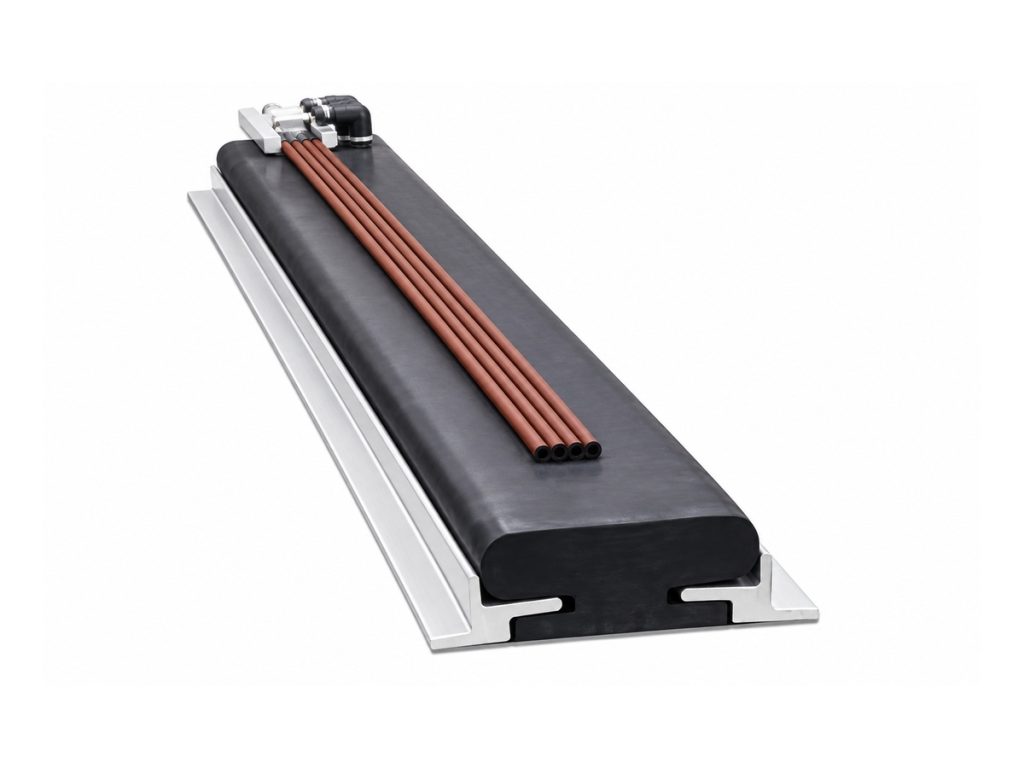
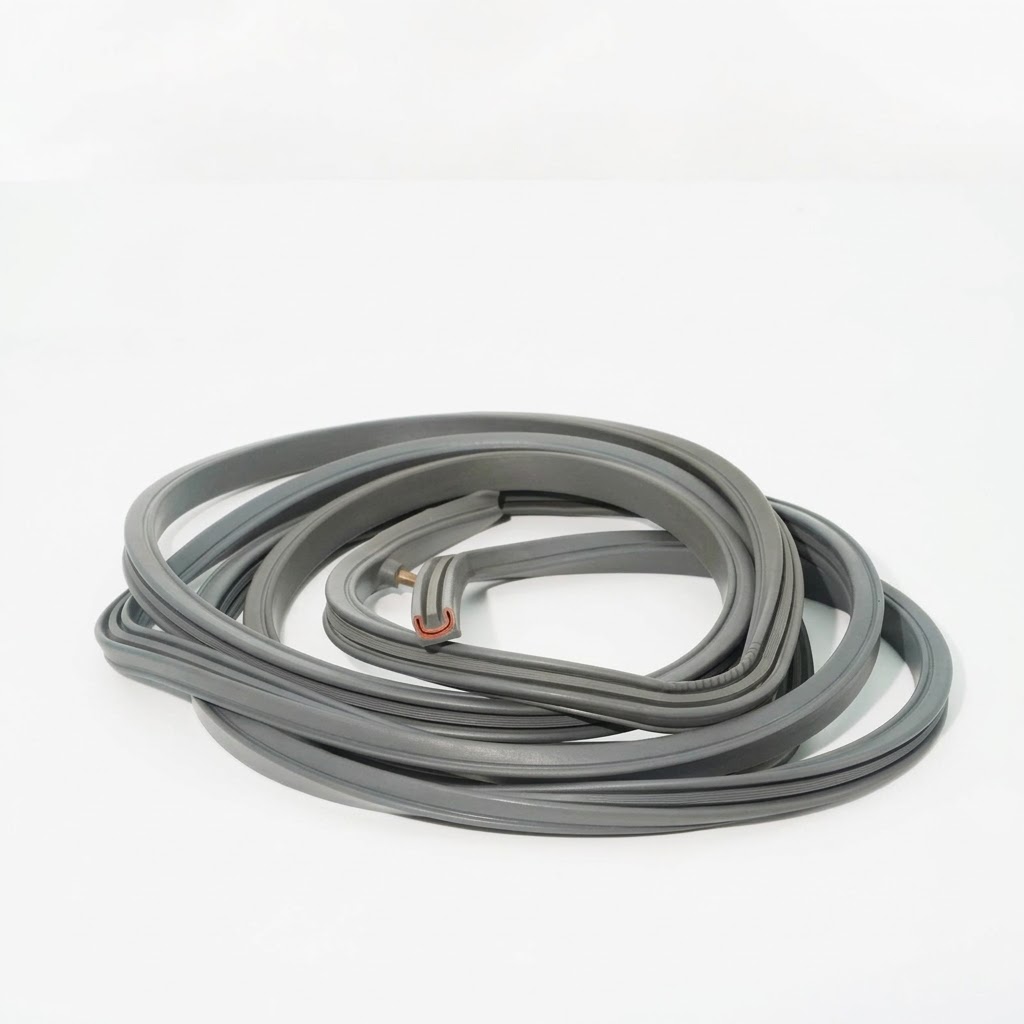
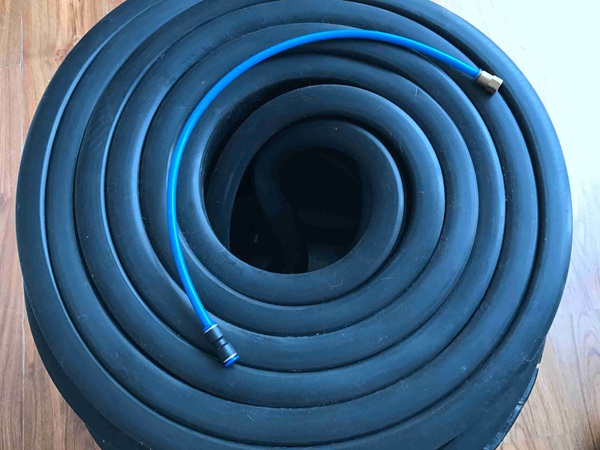
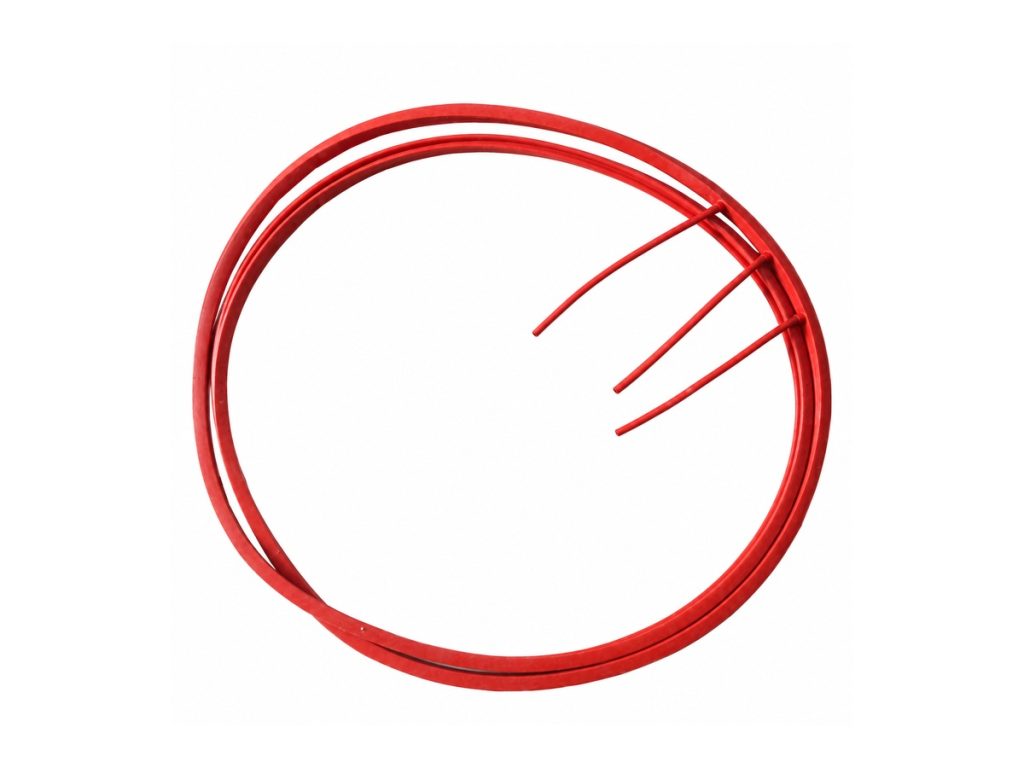
Custom food processing hopper inflatable seal developed around the customer’s equipment, sealing movement, operating environment and validation requirements. Submit a drawing for engineering review.
The food processing hopper inflatable seal is installed in a restrained assembly and receives controlled air input when sealing is required.
Its working shape is determined by the selected profile, surrounding groove, available gap and contact surface, so the installed condition must be reviewed before performance is stated.
This page addresses buyers researching food processing hopper inflatable seal for equipment where a compliant seal must move into and away from a changing gap.
Final application suitability depends on the actual geometry, process exposure, cleaning method, actuation pattern and validation standard supplied with the inquiry.
Frequently asked questions
What information is needed to quote food processing hopper inflatable seal?
Provide the assembly drawing, seal path, gap condition, inflation direction, contact media, temperatures, pressure conditions, cycle expectation, air connection details, compliance needs and quantity.
How is the material selected?
Material is reviewed against the named process media, cleaning agents, temperatures, mechanical movement and required declarations. Compatibility and compliance statements are confirmed only when supporting records are tied to the proposed material and supplied product.
How is inflation pressure established?
Inflation pressure is determined from the profile, restraint, gap, contact objective and process differential. It must be supported by product-specific engineering evidence or validation testing before it is specified for the customer’s application.
Can the seal geometry and air connection be customized?
Geometry and connection placement can be reviewed around the available envelope, installation method and service access. The approved drawing remains the controlling definition.
What evidence is needed for regulated or hygienic applications?
The inquiry should identify the applicable market, standard, material declaration, traceability and cleaning requirements. Only current documents tied to the proposed material and supplied product can support a compliance statement.